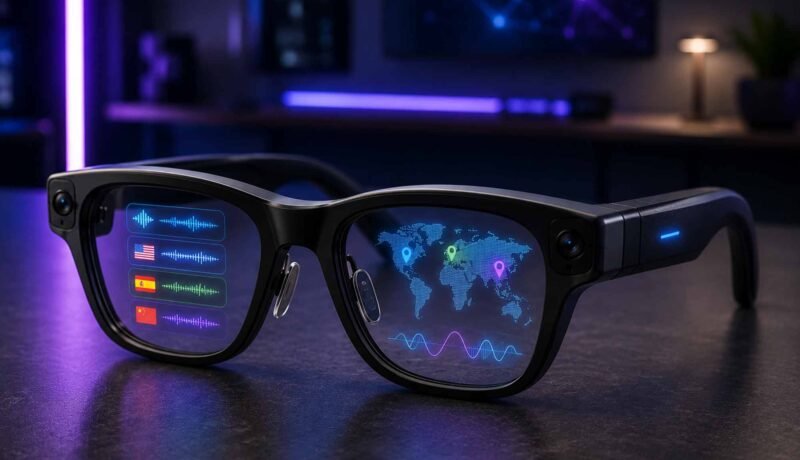
Best AI Glasses with Translation Features in 2026: Top 5 Picks for Real-Time Language Help.

Many people turn to AI glasses for their language translation capabilities. With these devices, you can listen to translated conversations, read foreign signs, or get voice guidance while traveling through airports, attending meetings, or exploring unfamiliar places. As of 2026, more brands are introducing translation features, but there’s a wide range in how well these tools work and how they’re designed.
Table Of Content
Some glasses focus on live conversation, while others excel at reading assistance or travel support. Here are five standout choices evaluated by their features and available details.
1. Leion Hey 2 AR Glasses
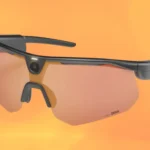
Leion Hey 2 is one of the most translation-focused products in its class. It supports over 100 languages and dialects, with response times of 200-500 milliseconds, enabling smooth, real-time conversation. The glasses feature quad-microphone noise reduction, adjustable subtitles, and an AI Q&A assistant. Subtitles can be customized for different languages and accents, and the onboard AI can summarize conversations.
The battery lasts up to eight hours per charge, and the portable case provides up to 12 recharges for extended use. The lack of a built-in camera suits users who want privacy in public.
Leion Hey 2 suits travelers, multilingual meeting attendees, and those wanting translation as the main function.
2. Rokid Glasses
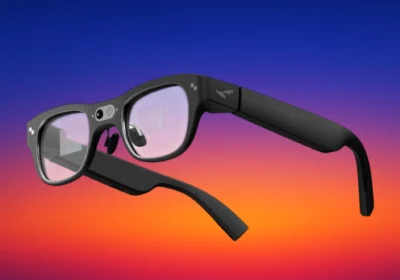
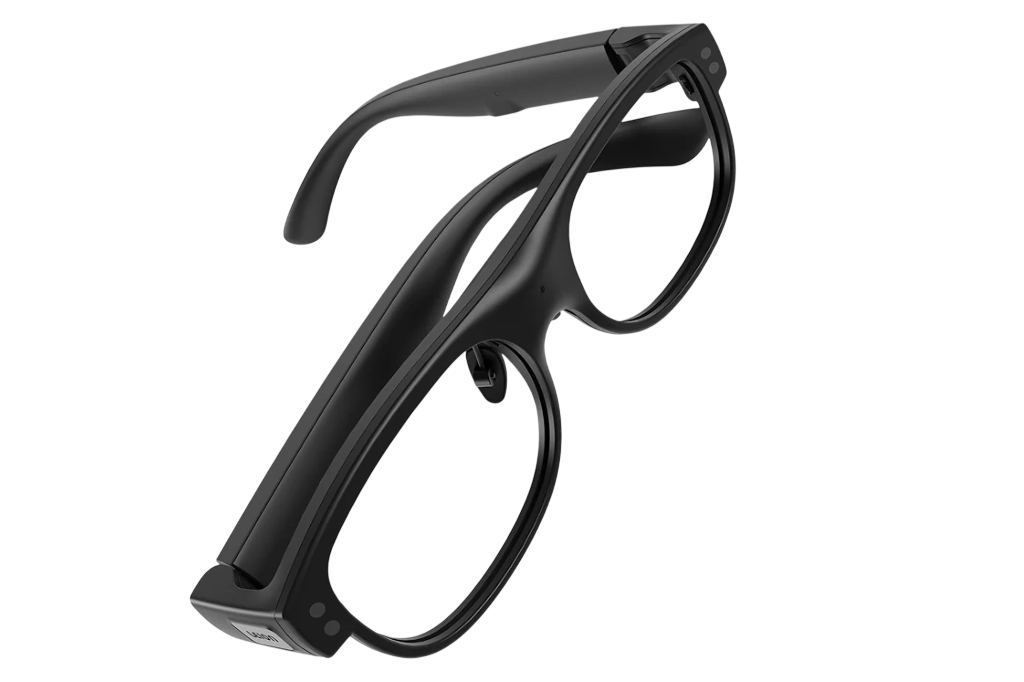
Rokid supports 89 online and 6 offline languages, offering flexibility even without a reliable internet connection. It provides two-way translation for seamless face-to-face communication with instant subtitles in the lenses.
The glasses enable two-way live translation, showing spoken content as real-time subtitles in the wearer’s view, making it useful in airports, stations, restaurants, and other travel situations where quick comprehension is vital. Rokid also includes a 12MP POV camera, built-in AI assistant, and open-ear speakers for hands-free use and audio privacy.
Rokid is ideal for users seeking both advanced translation and broader smart-glasses functions.
3. RayNeo X3 AI & AR Glasses
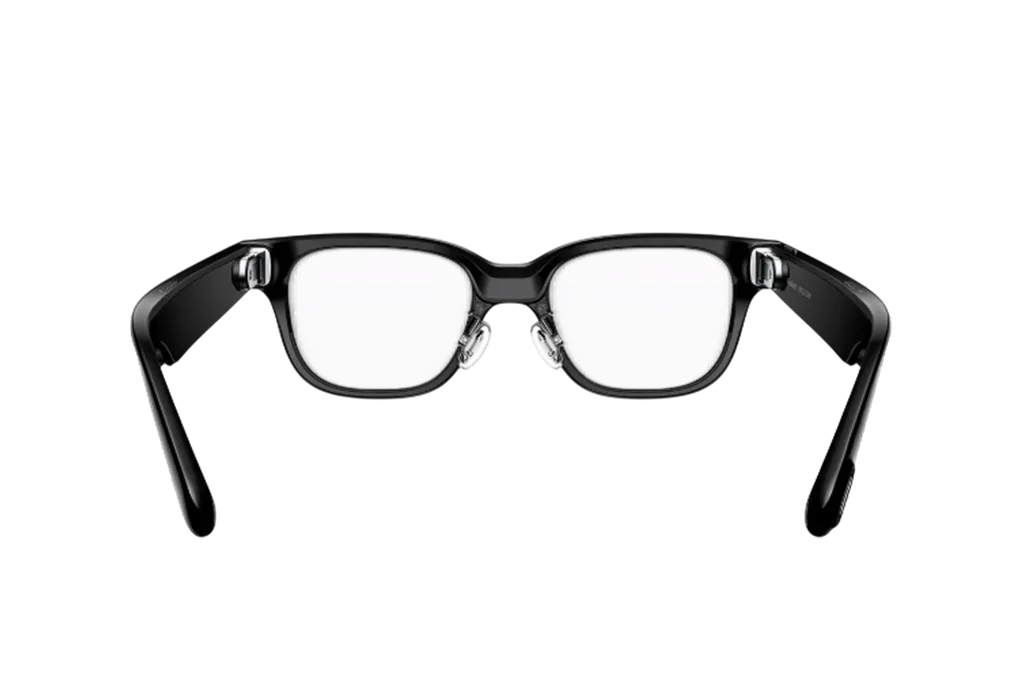
Rokid supports 89 online and 6 offline languages, offering flexibility even without a reliable internet connection. It provides two-way translation for seamless face-to-face communication with instant subtitles in the lenses.
The glasses enable two-way live translation, showing spoken content as real-time subtitles in the wearer’s view, making it useful in airports, stations, restaurants, and other travel situations where quick comprehension is vital. Rokid also includes a 12MP POV camera, built-in AI assistant, and open-ear speakers for hands-free use and audio privacy.
Rokid is ideal for users seeking both advanced translation and broader smart-glasses functions.
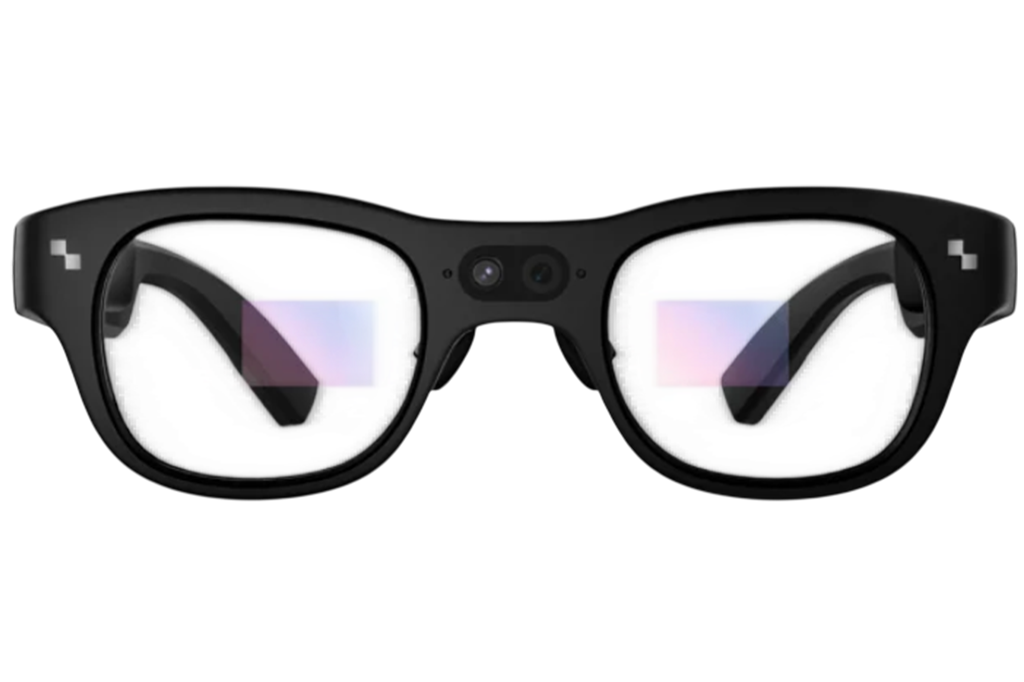
4. Halliday Smart Glasses
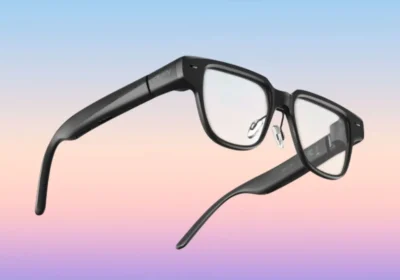
Halliday AI Smart Glasses have a lightweight, discreet design at 28.5g, lighter than most sunglasses. They support translation into 40 languages and display content privately on a compact, non-intrusive screen. The design eliminates light leakage and rainbow effects, enhancing comfort and privacy.
Users select languages manually in the Halliday companion app, which is designed for slower-paced interactions rather than rapid, multi-language conversations. The glasses also include features such as an audio memo, a teleprompter, proactive AI suggestions, and ring control for discreet operation.
Halliday is a practical option for commuters, conference users, and those who prioritize comfort.
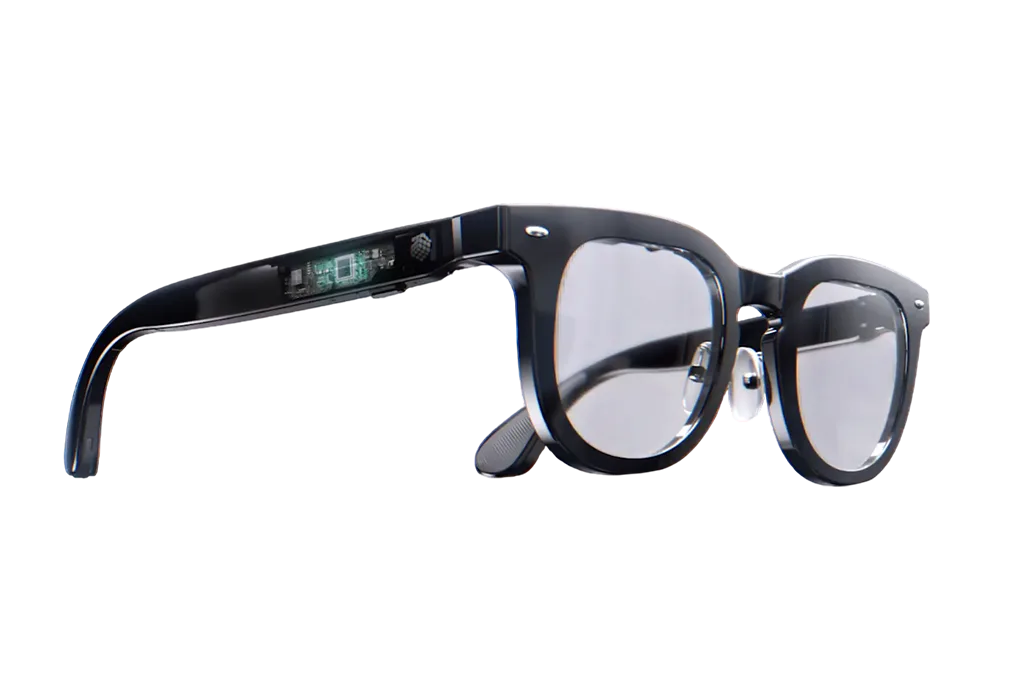
5. Looktech AI Glasses
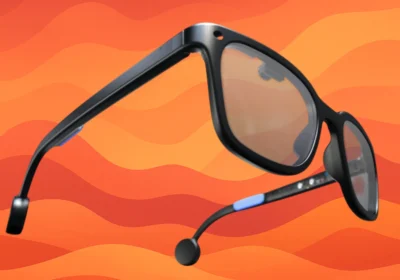
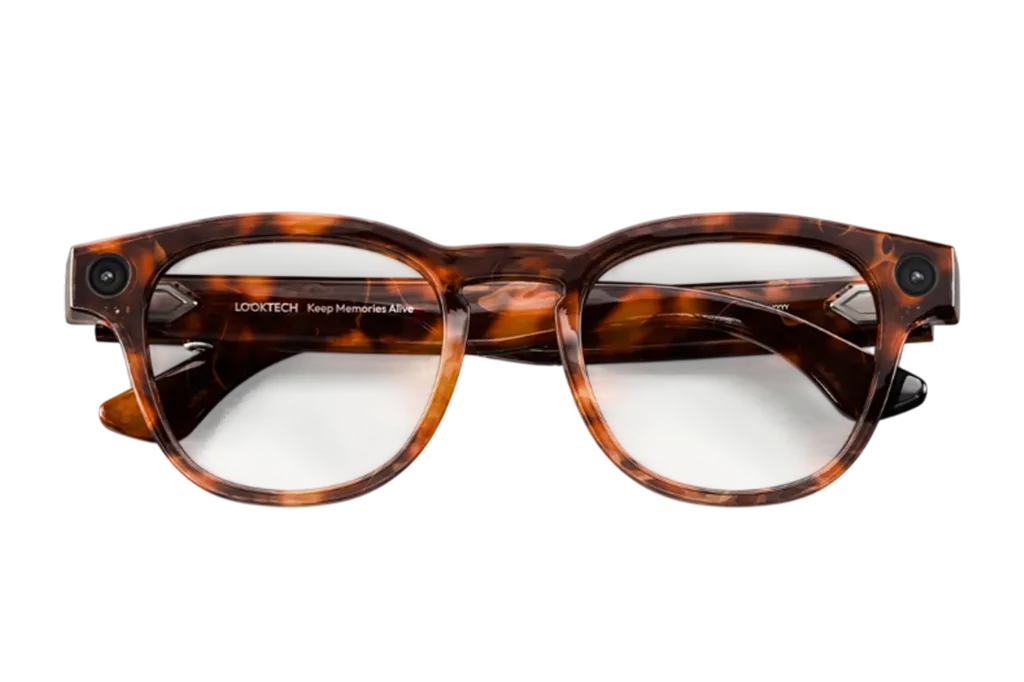
Looktech AI glasses offer voice-based AI assistance for translation, travel support, and daily productivity, with voice-controlled features powered by the Memo assistant and companion app. Equipped with GPT-5, these glasses provide hands-free operation, voiceprint security, and a 13MP camera for high-resolution photos and 4K video.
Unlike HUD-based smart glasses, Looktech omits in-lens displays and subtitle systems, focusing translation feedback on audio cues and app interaction instead of projected captions. Users get open-ear audio, hands-free calls, and a lightweight 34g frame with up to 14 hours of battery life.
Looktech is better for users wanting AI features, travel tools, a camera, and occasional translation in one device.
Quick Comparison
| 1 | Leion Hey 2 | Fast live conversation, 100+ languages | Frequent travelers, meetings |
| 2 | Rokid Glasses | Online + offline language support | Flexible travel use |
| 3 | RayNeo X3 | Natural dialogue translation | Business and daily communication |
| 4 | Halliday Smart Glasses | Lightweight display-based assistance | Comfortable extended wear |
| 5 | Looktech AI Glasses | AI travel help and text translation tools | Casual users and travelers |
Which One Should You Choose?
If you prioritize translation, Leion Hey 2 offers the most specialized features. Choose Rokid for offline language support. RayNeo X2 suits common languages and real-time communication. Compare these models based on your translation priorities, travel habits, and preferred features.
Halliday suits those prioritizing comfort and subtle design, while Looktech serves buyers seeking a broader AI glasses experience that includes translation without making translation the sole focus.
Final Thoughts
AI glasses with translation tools become more practical each year. The strongest models now go beyond novelty to offer real help in travel, work, and everyday communication. The best choice depends on whether you need fast conversation translation, offline access, lightweight comfort, or a broader AI assistant experience.