

Most people don’t realize how many small moments fade by simply because pulling out a phone feels like too much effort. Smart glasses have been promised as the fix for years, but the ones that actually made it to market either looked like props from a science-fiction film or offered so little practical use that people quietly forgot about them. Beaverlab’s Neomix line is taking another shot at the idea, this time with a focus on keeping things light, wearable, and genuinely usable in everyday situations. It blends a capable camera, open-ear audio, and some AI-assisted features into a frame that comes in enough styles that it doesn’t feel like a compromise. Worth a closer look.
Table Of Content
From the camera and audio to the AI features and price, we cover everything so you know exactly what you’re looking at before deciding.
Frame Variants and Visual Options
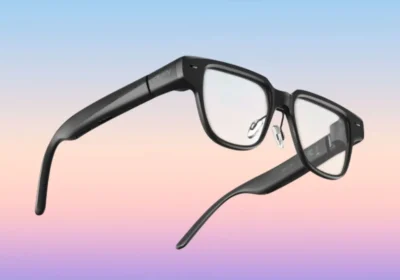
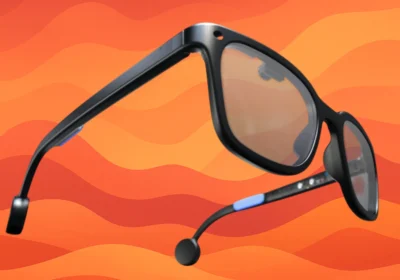
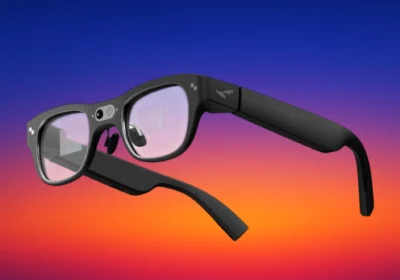
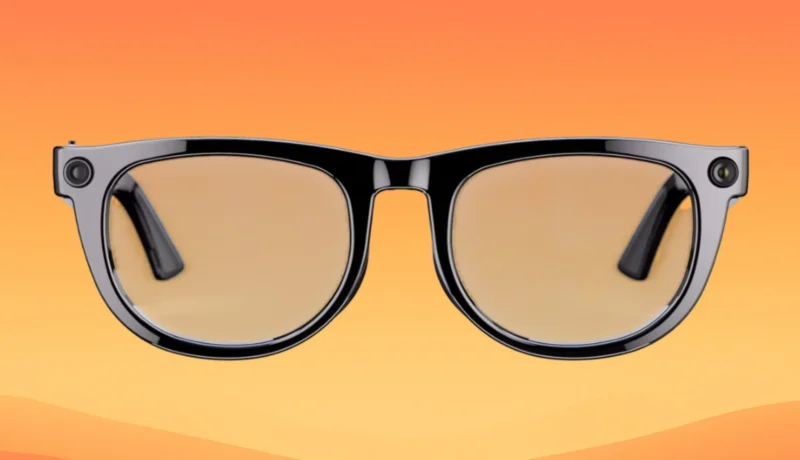
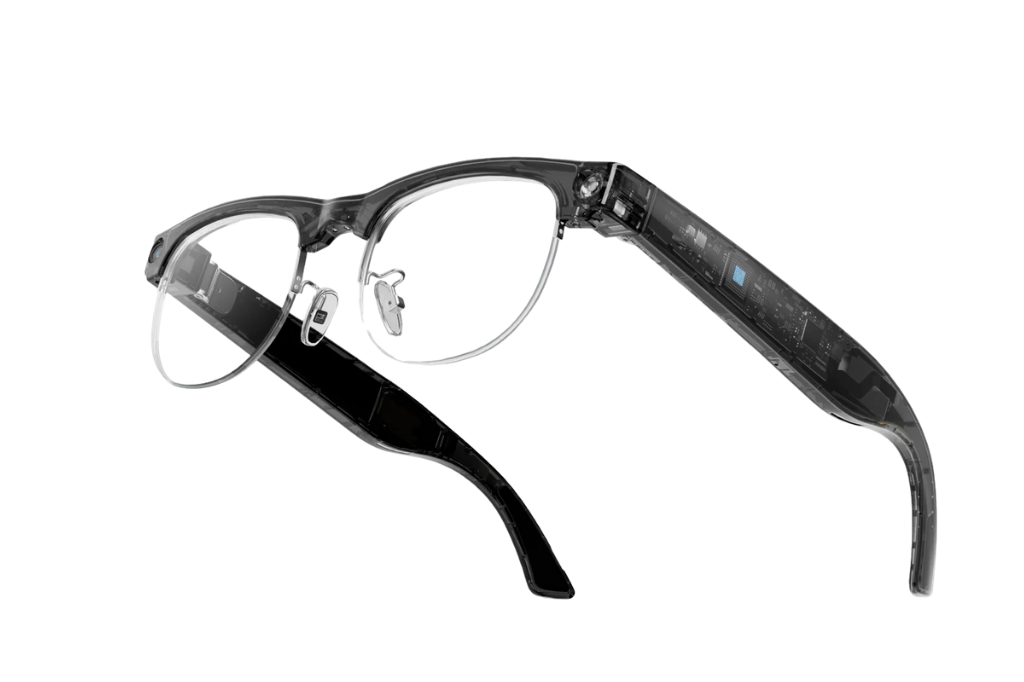
Neomix AI Glasses come in two styles: semi-rimless (35 grams) and full-frame (37 grams). Both measure 15 × 14.5 × 4.6 centimeters. The frames use TR90, titanium alloy, and aluminum alloy.
Color options include black, brown-black, and transparent. Lenses are offered in classic, transition, and defocus types. With all combinations of frame style, color, and lens type, there are 18 variants. The frames support prescription(Rx) lenses.
How the Camera and Stabilization Work
The Neomix AI glasses have a 21MP CMOS sensor with a resolution of 5376 by 4032 pixels and an f/1.8 aperture. The camera has a wide 119-degree field of view, supports ISO settings from 100 to 1600, and lets you take photos in both 3:4 and 9:16 formats.
You can record Ultra HD video for up to 50 minutes at a time. The 64GB of storage can hold about 30,000 photos or 720 minutes of video. The glasses use both electronic and AI-based stabilization to reduce shake. They also offer wide-angle capture without distortion and use AI to improve image quality.
How the Glasses Are Controlled
Neomix AI Glasses can be controlled in three ways: by nodding or shaking your head, using touch controls on the frame, or giving voice commands. These options let you take photos, record videos, and handle calls with simple gestures or spoken words.
What to Expect from the Audio
The Neomix AI glasses use an open-ear design with 18mm dual drivers and a 20mm by 9mm composite bio-diaphragm dynamic driver. Two DSP chips and three microphones help cancel noise, so voices stay clear even in noisy places.
How Much It Stores and How Long It Lasts
Neomix AI Glasses come with 64GB of eMMC storage, enough for about 30,000 photos or 720 minutes of video. The built-in 250 mAh battery gives you up to 15 hours of music, 12 hours of calls, 48 hours with mixed use, and up to 30 days on standby.
The charging case contains a 3,000 mAh battery and also serves as a storage case. It provides up to 12 full recharges for the glasses and supports quick charging in just 10 minutes.
AI Features and App Connectivity
Neomix glasses use the MiniMax model to power features like dialogue, image recognition, and text-to-voice translation. They also offer posture alerts, event reminders, emergency alerts, alarm settings, phone syncing, and music playback.
A companion app for iOS and Android connects via Bluetooth 5.4 or Wi-Fi 6, letting you control the camera, audio, AI features, and notifications. Your data stays on the device, and there’s a recording indicator for privacy.
What Buyers Need to Know
Neomix AI Glasses cost $369.90 USD on the official website. You can choose half-rim or full-rim frames in black, clear, or brown, and lenses in classic, transition, or defocus styles. Pre-orders are available now, with shipping planned for March 2026.
When You Look at the Whole Thing
AI glasses have quietly moved past the “interesting concept” stage, even if most people haven’t noticed yet. Neomix reflects that shift, bringing together a real camera, usable audio, decent storage, and AI functionality in a frame that doesn’t demand any daily routine changes to wear. How it holds up with actual daily use is still the open question. What’s less open is that the category is maturing, and Neomix is a reasonable marker of how far it’s come.