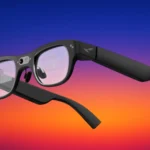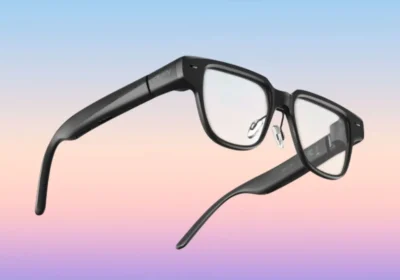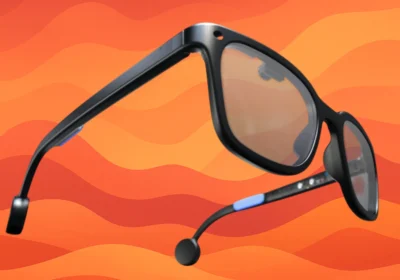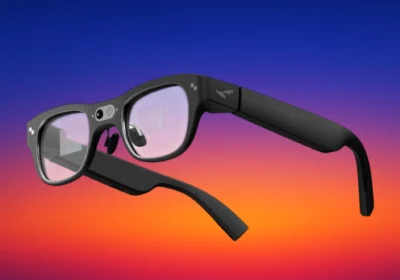

You walk into a restaurant, spot an unfamiliar dish on the menu, and before the server reaches your table, a quiet voice in your ear has already told you what it is, where it comes from, and whether you’ll like it. That’s the kind of everyday experience Brilliant Labs aims for with Halo. Built on an open-source platform, these AI-powered glasses come with Noa, an interactive AI agent that remembers your conversations, understands what you see and hear, and helps you bring ideas to life through natural language. Designed for curious minds, creators, and developers who push limits, Halo supports prescription lenses and bone-conduction audio with all-day battery life. Weighing just over 40 grams, the frames feel light enough to forget you’re wearing them and quietly expand how you interact with the world.
Table Of Content
The sections ahead cover the frame, display, AI features, sensors, connectivity, specifications, and pricing.
Frame Dimensions and Lens Options
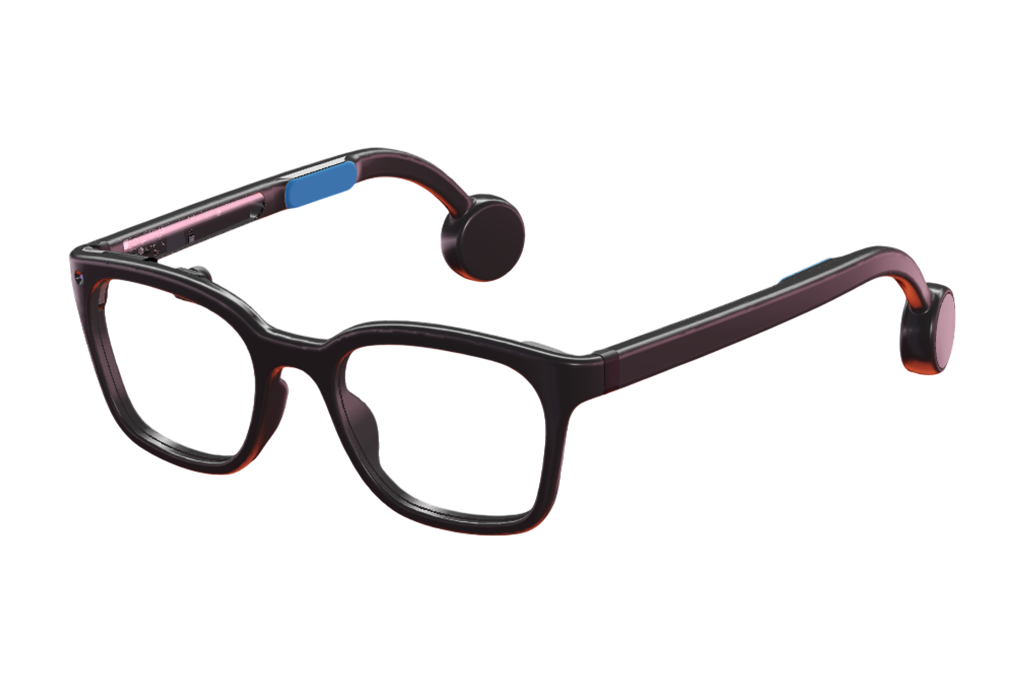
Halo is built to fit most people. The frame measures 130mm wide, with 142mm temple arms, a 21mm nose bridge, and 46mm lens dimensions. It weighs just over 40 grams. The stock lenses are optical grade with an anti reflective coating.
For those who need corrective lenses, Halo provides access to a prescription ordering portal through SmartBuyGlasses after purchase. The display optic is adjustable over a diopter range of +2 to -6, covering a broad range of vision correction needs. Sunglass lenses are available through the same post-purchase process.
How the Display Works
Halo uses a Micro Color OLED display to present digital information within the user’s field of view. OLED technology is common in compact devices for its high brightness and power efficiency. The display optic is adjustable for diopter correction, so the image can be sharpened to match the user’s vision without additional hardware.
Noa: The On-Board AI Agent
Noa is a private AI agent built for real time dialogue. It processes what the user sees, hears, or imagines at any moment. Noa keeps a record of what it saw, heard, and said, becoming more personal to the user over time and supporting memory recall.
Halo supports translation across a wide range of languages, making it useful in everyday situations. Vibe Mode lets users build what they imagine using natural language. Memory and conversation are included with Halo, though daily usage is capped like free-tier AI tools.
Sensors and Audio
Halo features an ultra-low-power optical sensor for AI inference, two microphones with audio activity detection, and a six-axis IMU with tap detection. The IMU tracks motion and orientation, while tap detection enables interaction without buttons. Audio output comes from two ultra-compact bone-conduction speakers mounted within the frame.
Connectivity and Software
Halo connects via Bluetooth 5.3. The software runs on ZephyrOS with a Lua interface, supported by a cross-platform mobile app and a cloud-based AI agent.
Battery Life
Halo’s battery lasts up to 14 hours with normal use.
Noa Subscription Plans
Halo runs on a two-tier access model. Noa is the base plan, covering memory and real-time conversation with a smaller daily usage allowance. The paid tier, Noa+, costs $19.99 per month and opens up more room across memory, conversation, and Vibe coding.
Tech Talk
| Display | Micro Color OLED |
| Processor | Alif B1 processor with Cortex-M55 CPU and neural processing unit |
| Audio | 2x ultra-compact bone conduction speakers |
| Microphones | 2x with audio activity detection |
| Sensors | Ultra low-power optical sensor for AI inference, 6-axis IMU with tap detection |
| Connectivity | Bluetooth 5.3 |
| Diopter Range | +2 to -6 |
| Weight | Just over 40 grams |
| Battery | Up to 14 hours |
| Open Source | Hardware and software |
Price and Release Date
Halo is available through Brilliant Labs at a listed price of approximately $349. Shipping is expected to begin in the first quarter of 2026. Prescription and sunglass lenses are available separately through a partner.
Subscription access to Noa+ is available for $19.99 per month, expanding memory capacity and usage limits beyond the standard access level.
The Takeaway
Halo arrives as an open-source alternative in the smart glasses space. The 40g weight and 14-hour battery life make all-day wear feasible for most people. Prescription support removes a common obstacle, and the adjustable display optic fits various vision needs. The free tier offers basic AI capabilities with usage limits, while the monthly subscription provides expanded access. How well the platform performs in daily use will become clear as more people try it. The open nature may appeal to those who want to build custom features or experiment with the hardware.